Bastien und Bastienne / Le 66
June 26-27, 2026 - Houghton Hall Arts Community
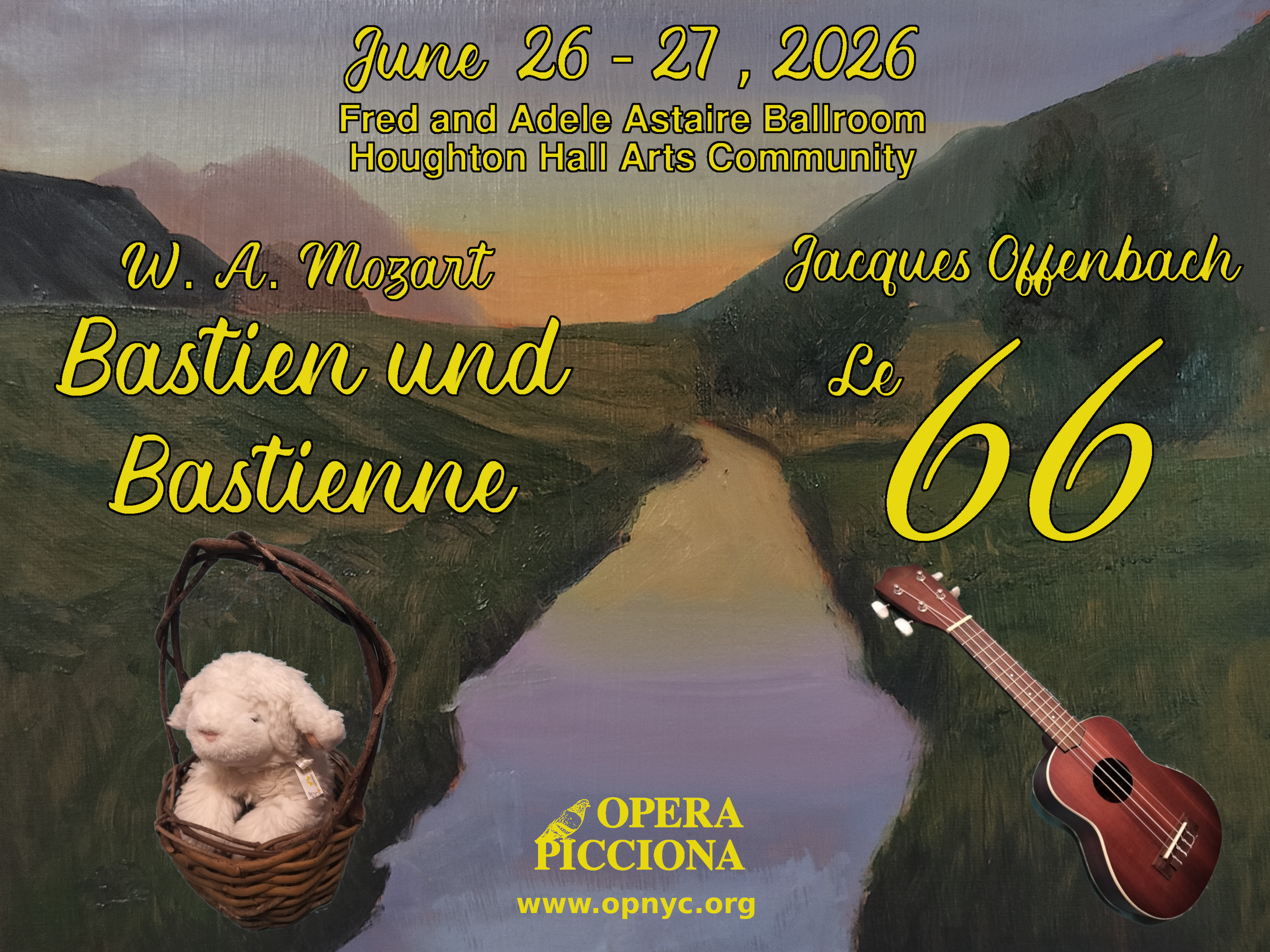
Painting by Mike Zamansky
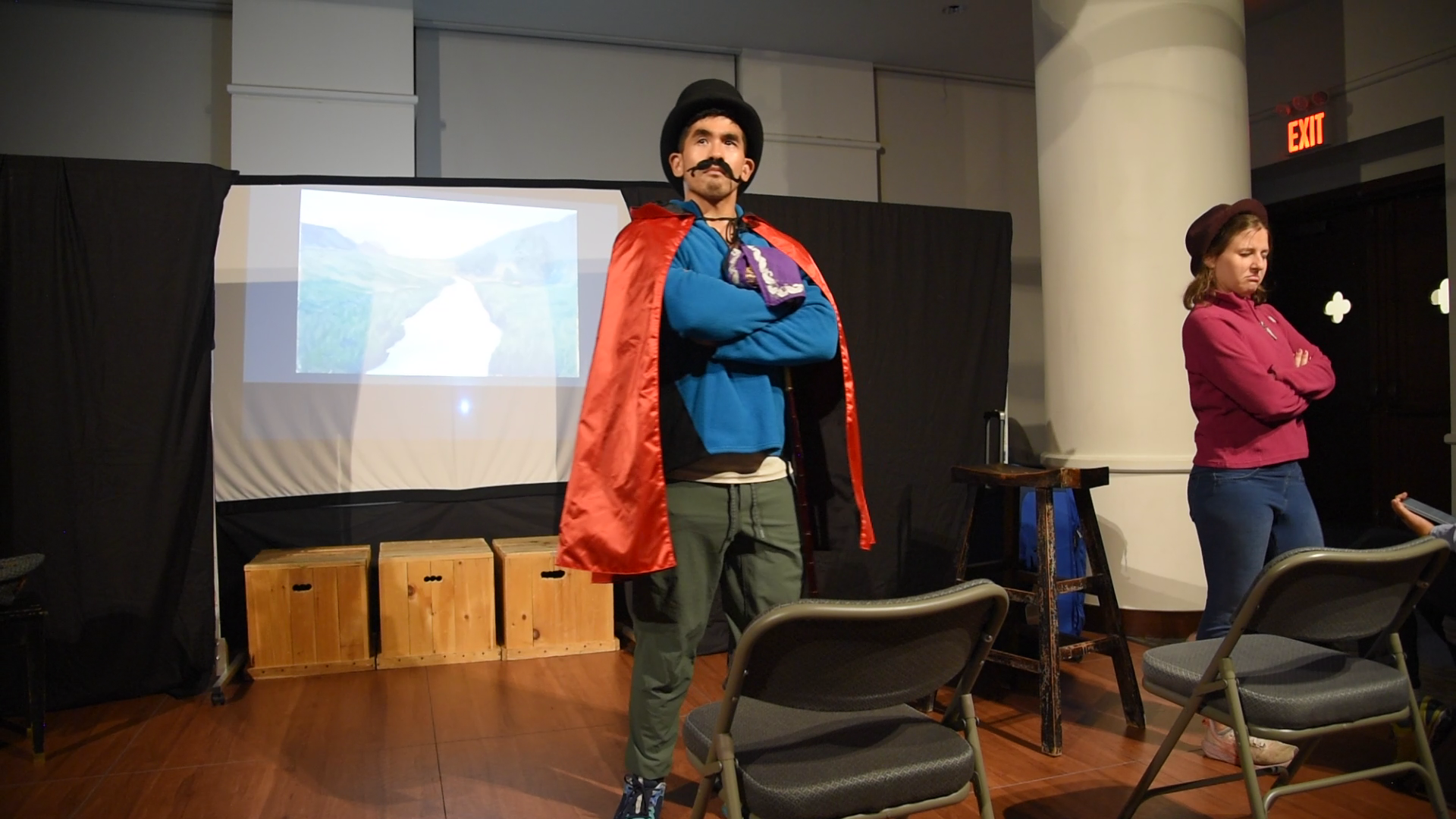
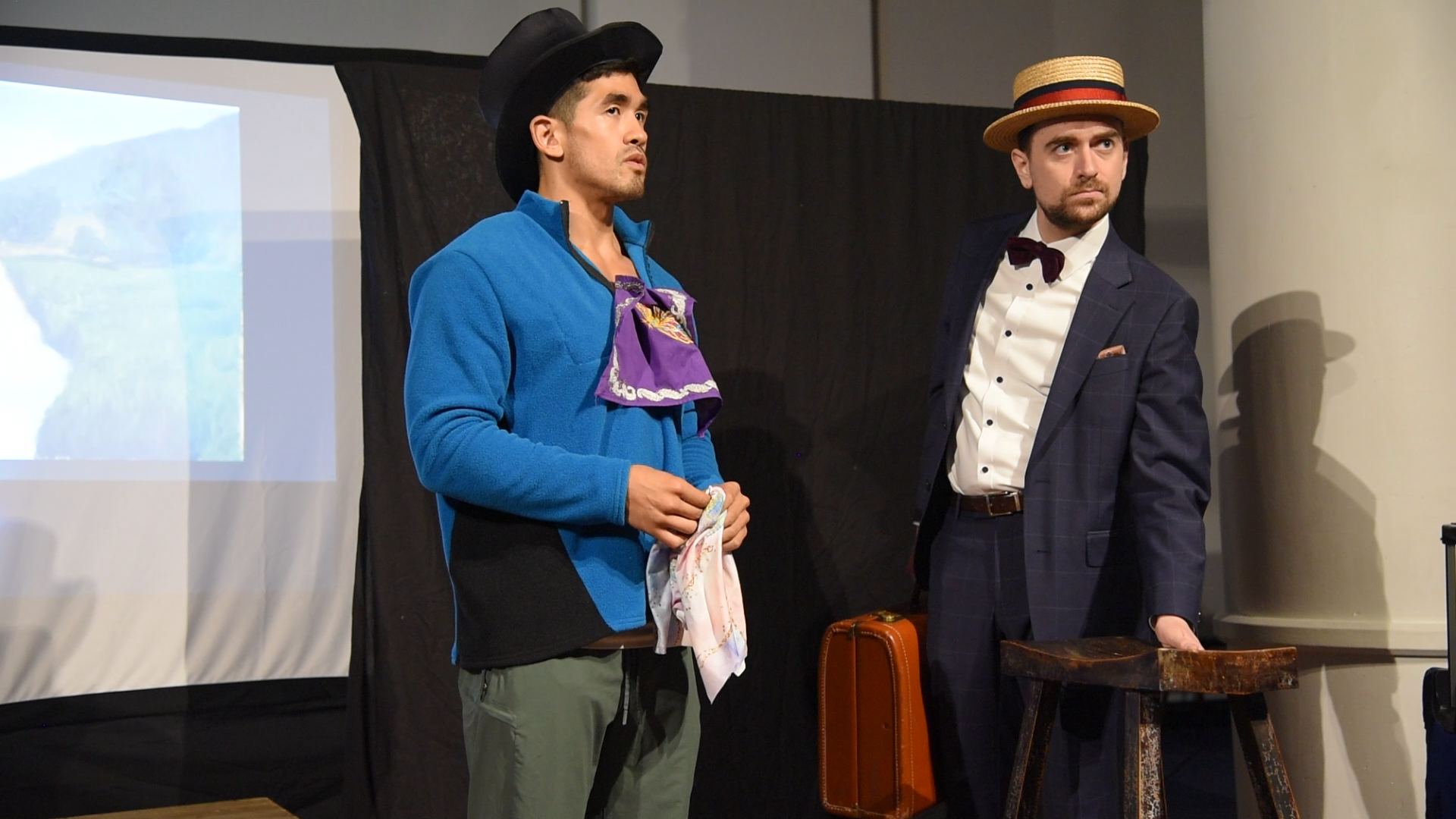
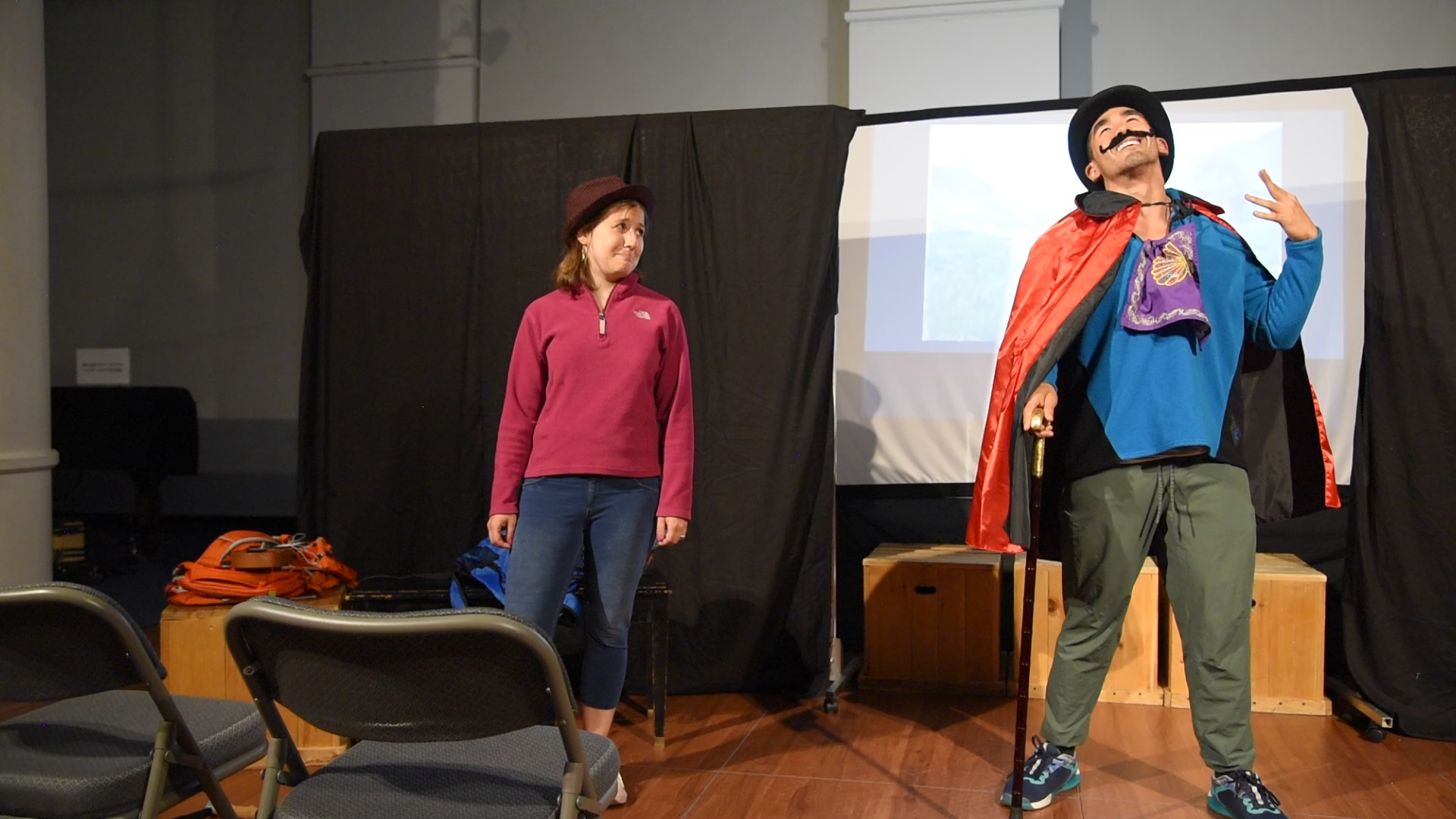
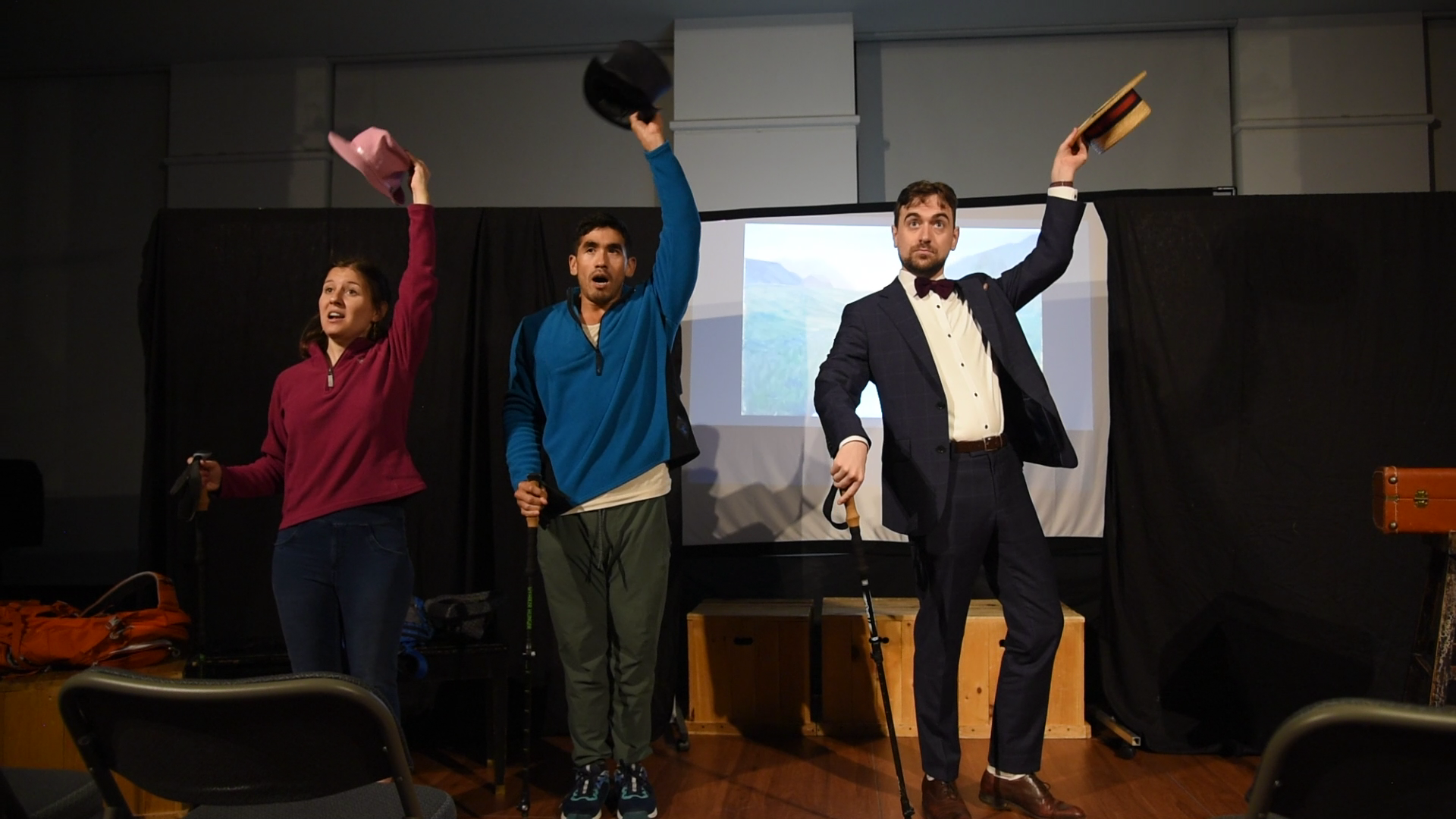
Two soprano shepherdesses, two tenors tempted by life in the city, two basses mediating the ensuing conflict. Mozart’s Bastien und Bastienne and Offenbach’s Le 66 are two one-act operettas which tell of characters pulled this way and that by the call of the pastoral and the metropolitan. At this crossroads, what else but hilarity can ensue? Both works are comic operas with dialogue, one with an elegant and refined score by opera’s favorite child prodigy, and the other with wall-to-wall toe-tappers by the uncontested master of French operetta.
Bastien und Bastienne
Music by Wolfgang Amadeus Mozart
Libretto by Friedrich Wilhelm Weiskern, Johann Heinrich Friedrich Müller and Johann Andreas Schachtner
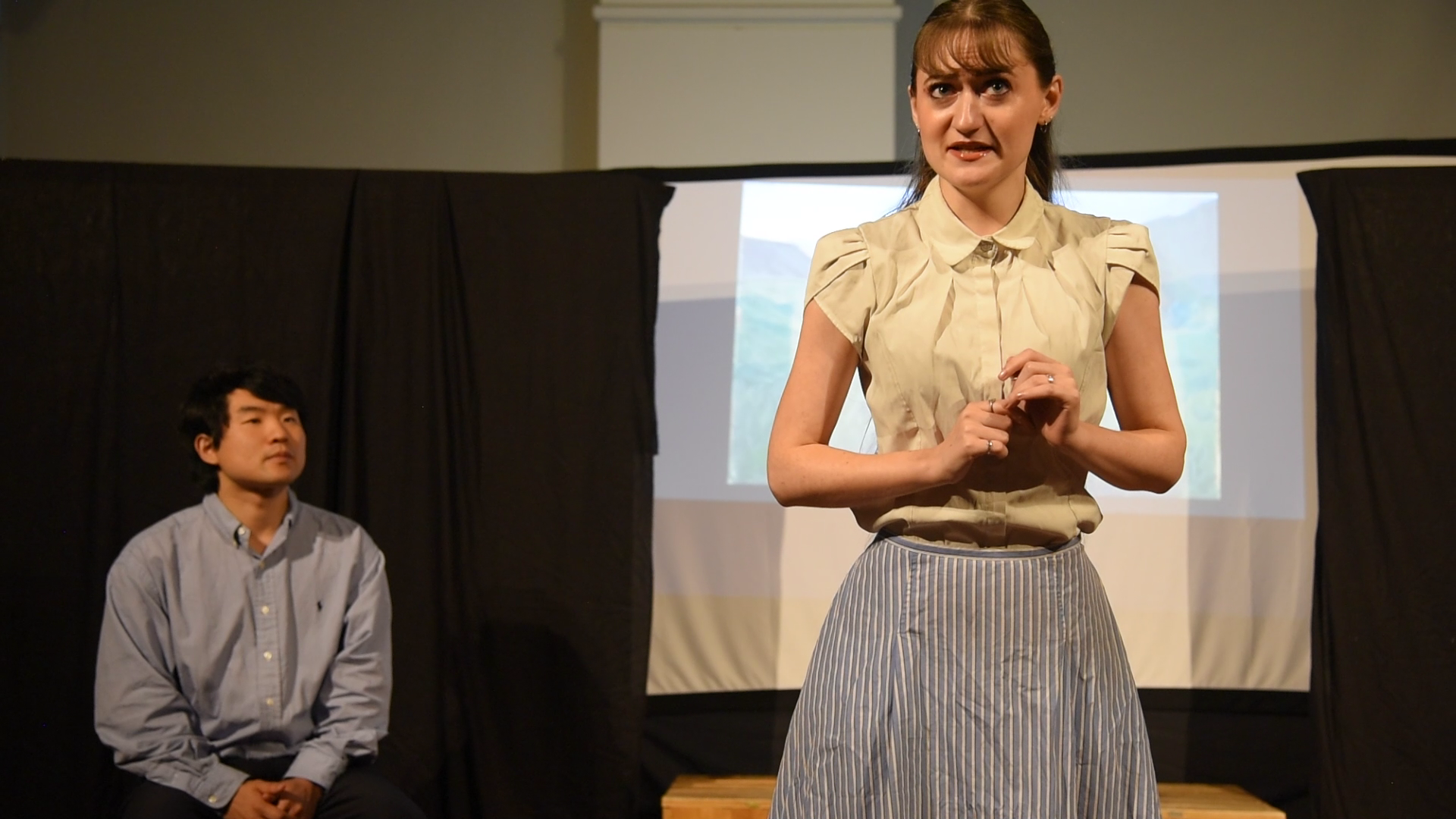
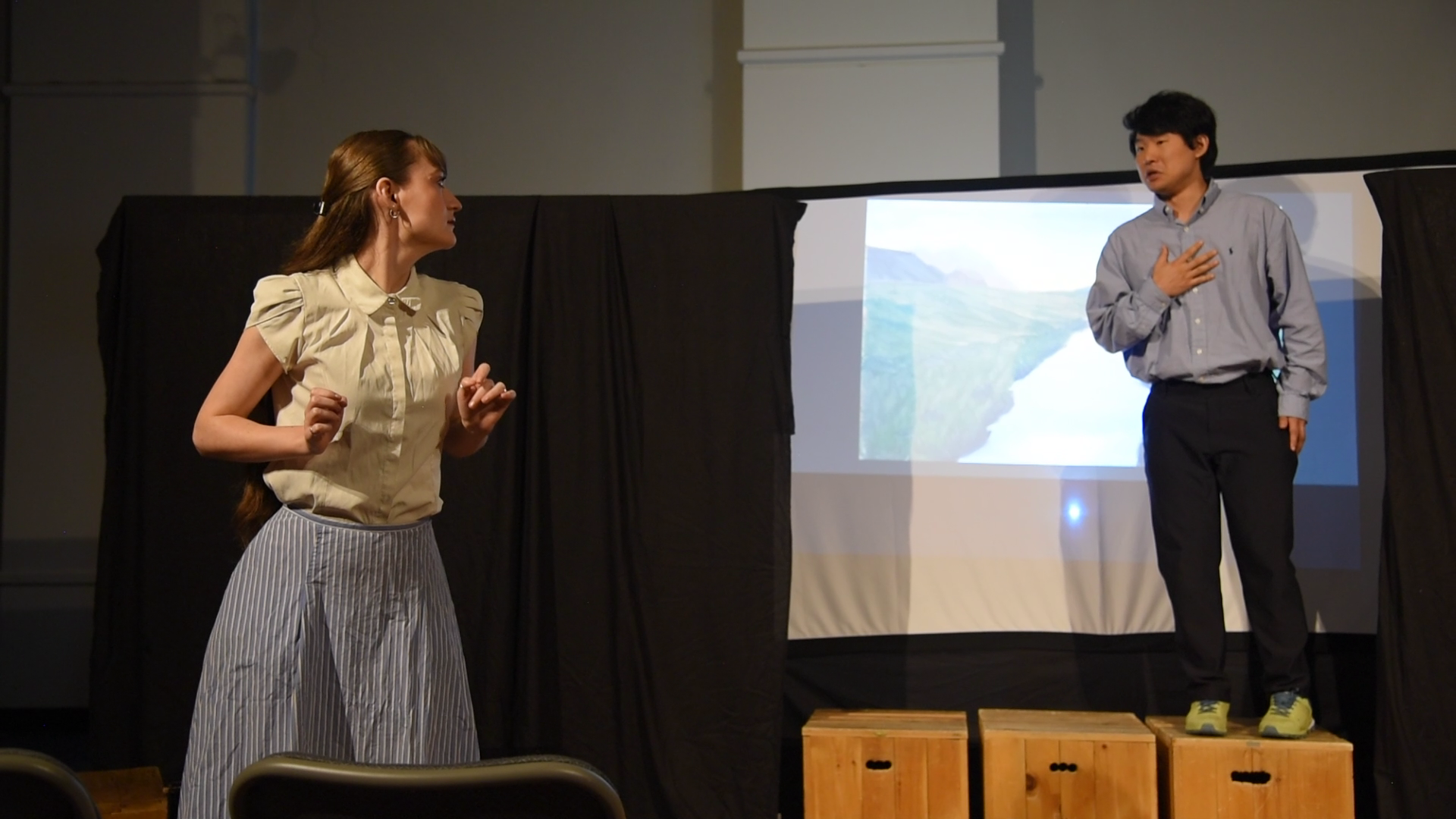
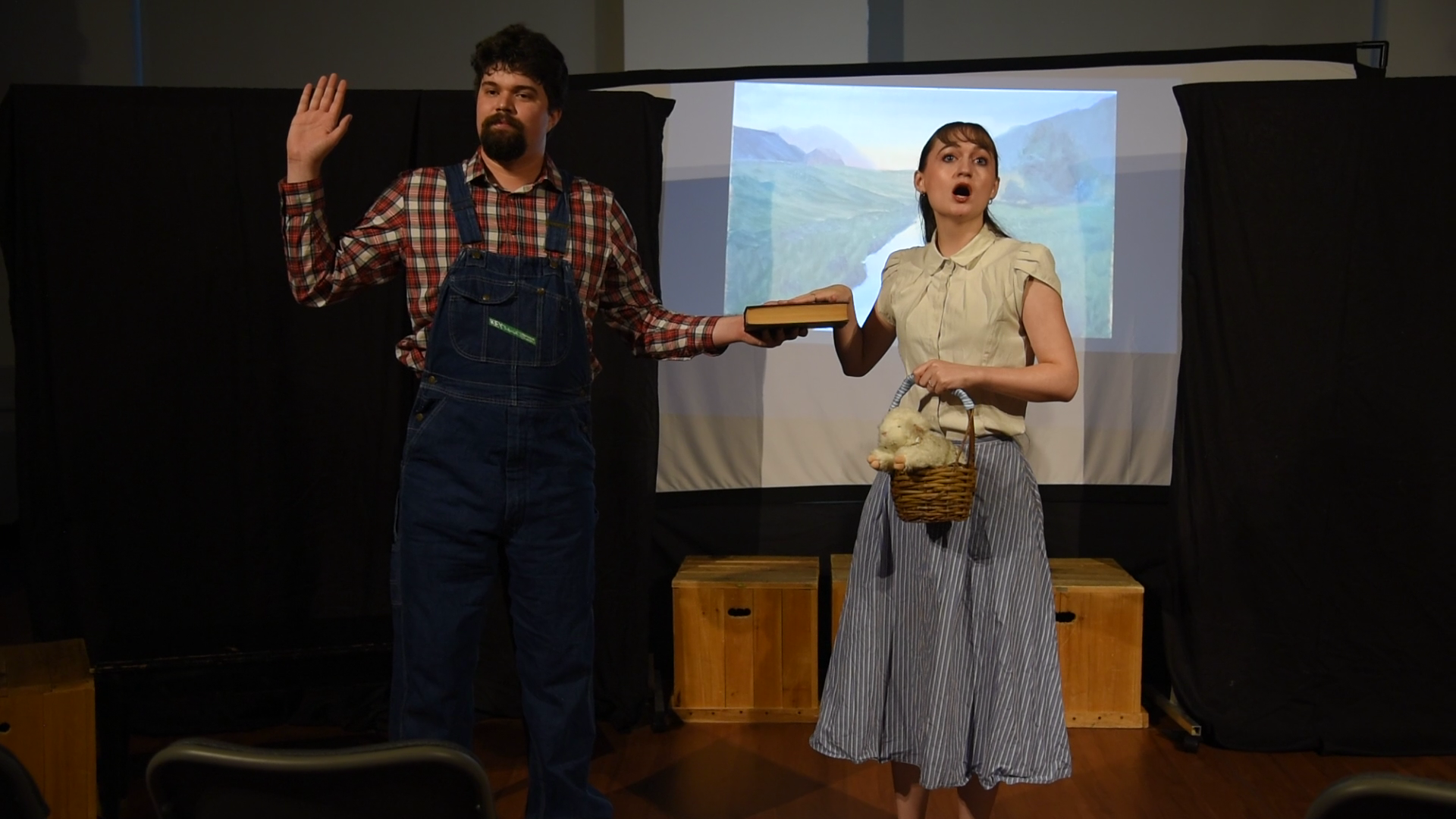
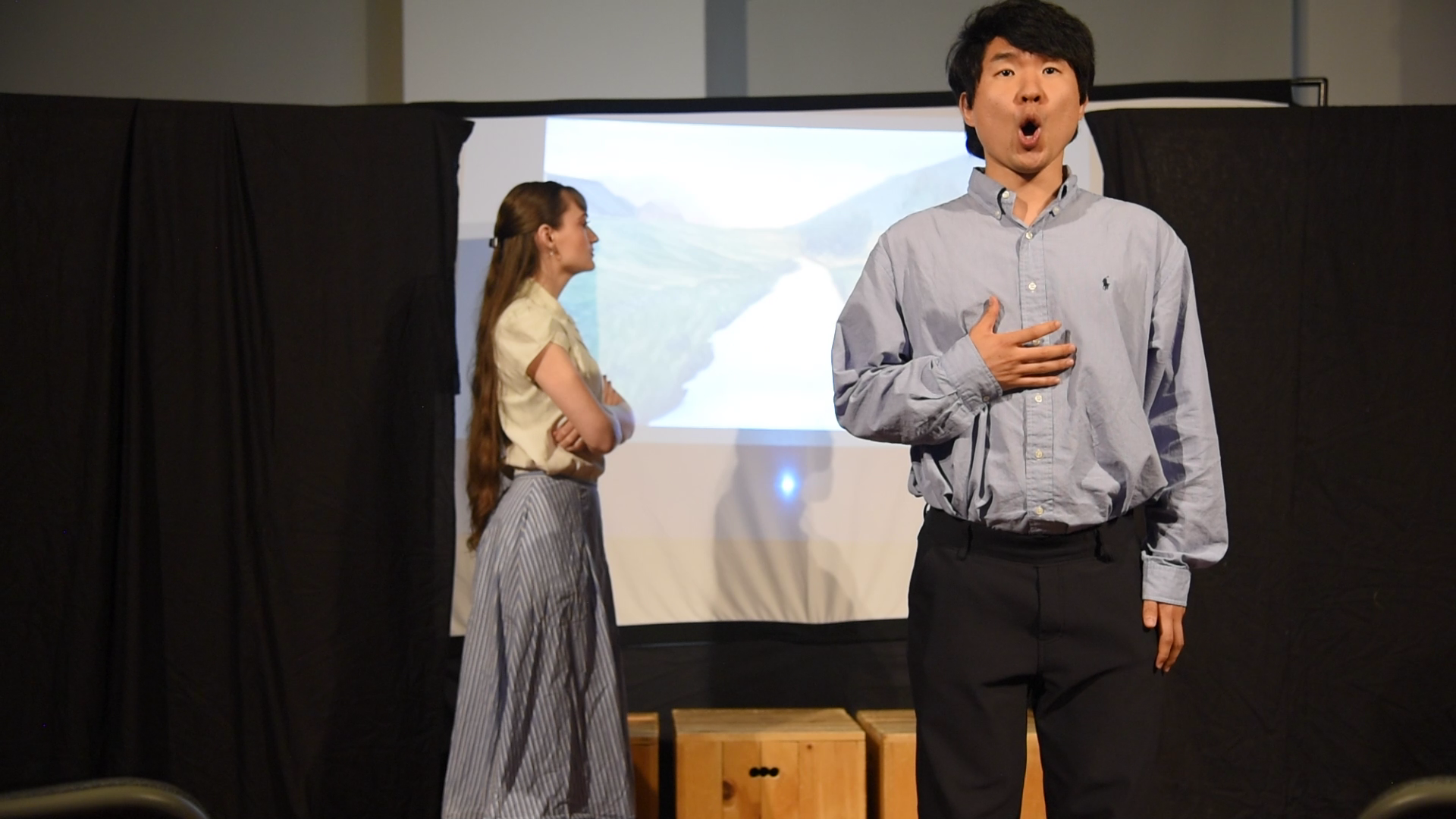
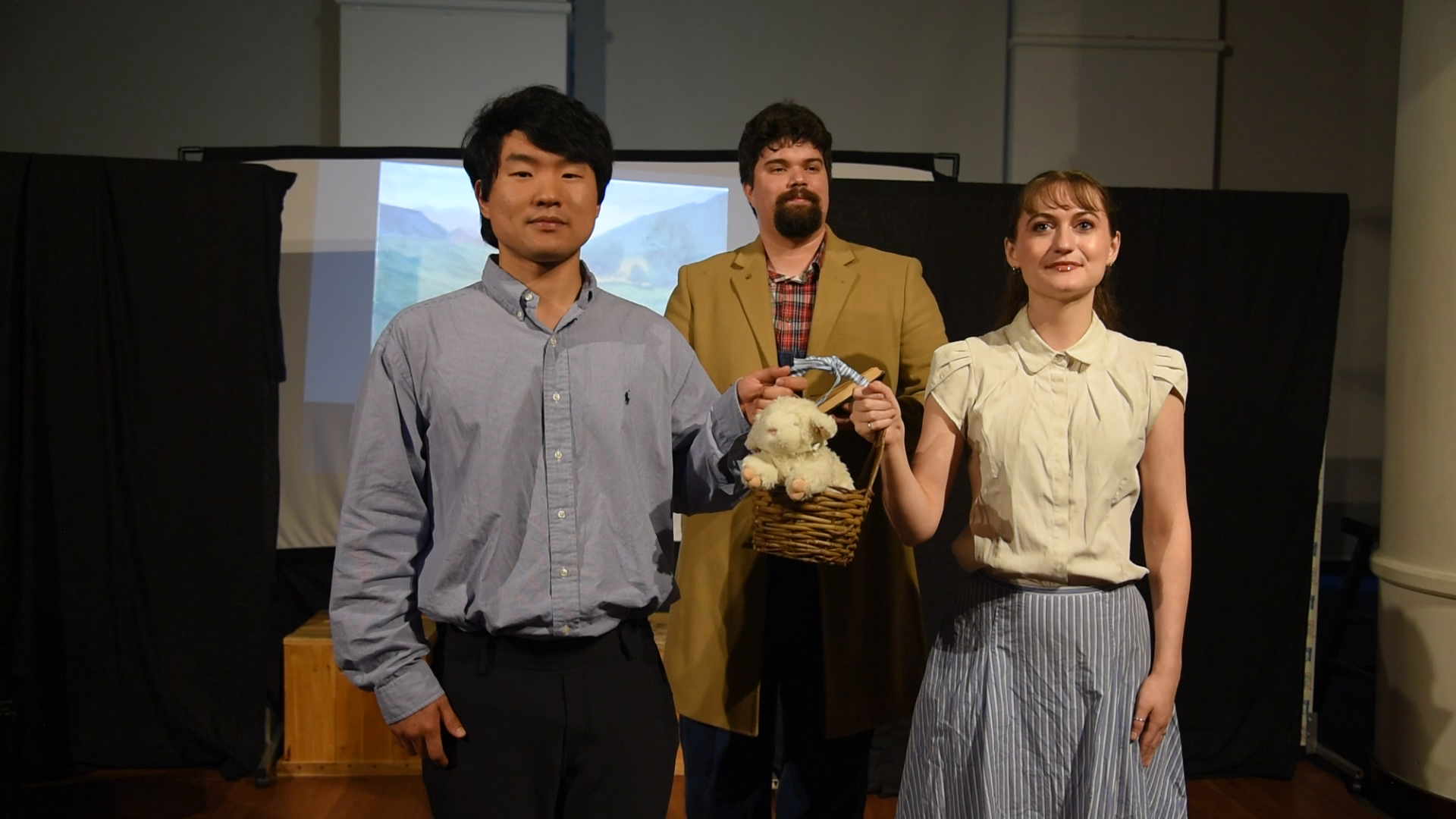
Bastienne - Melissa Perry
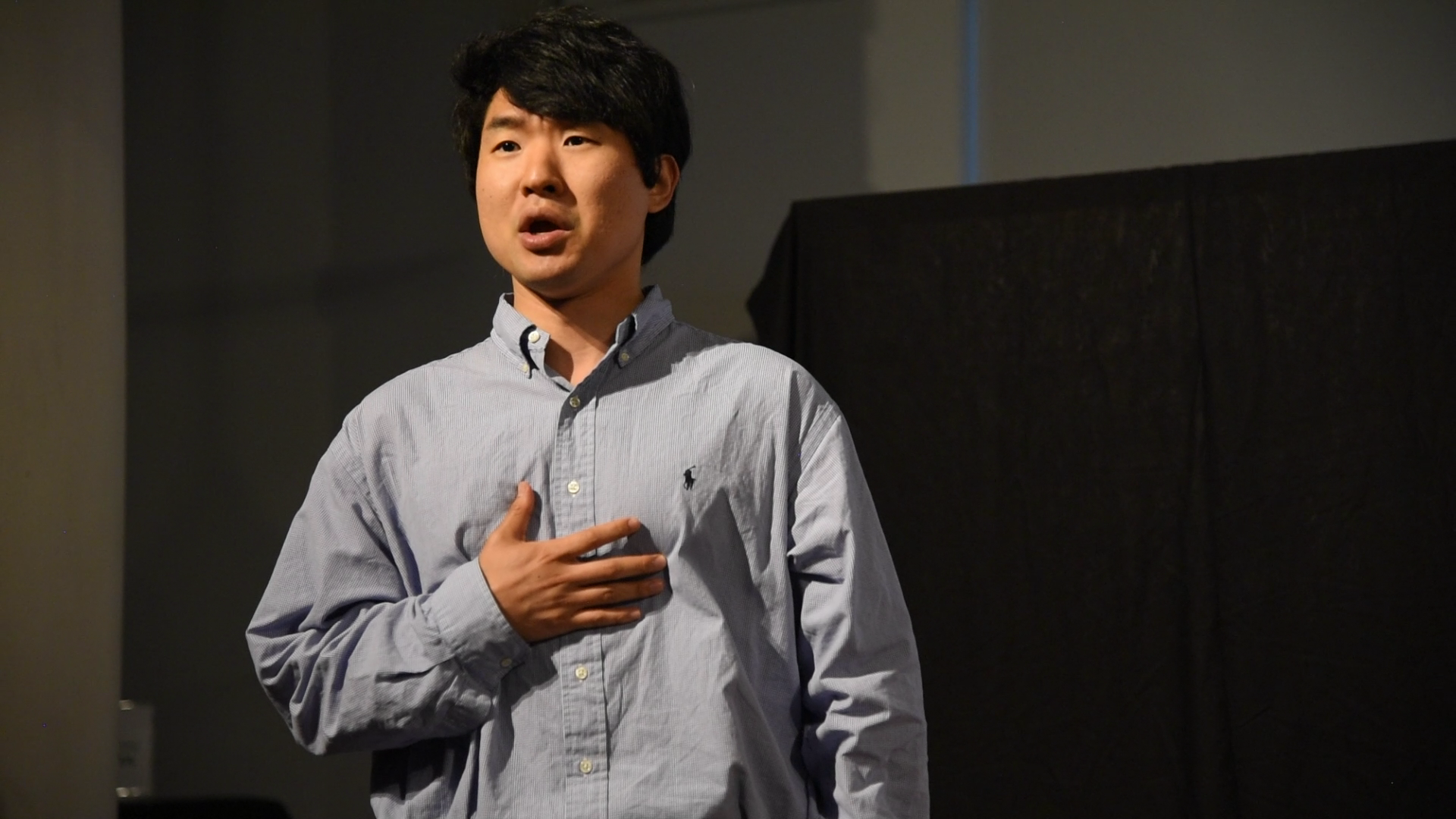
Bastien - Yong Hoon Lee
Colas - Victor Jaquez
Le 66
Music by Jacques Offenbach
Libretto by Auguste Pittaud de Forges and Laurencin
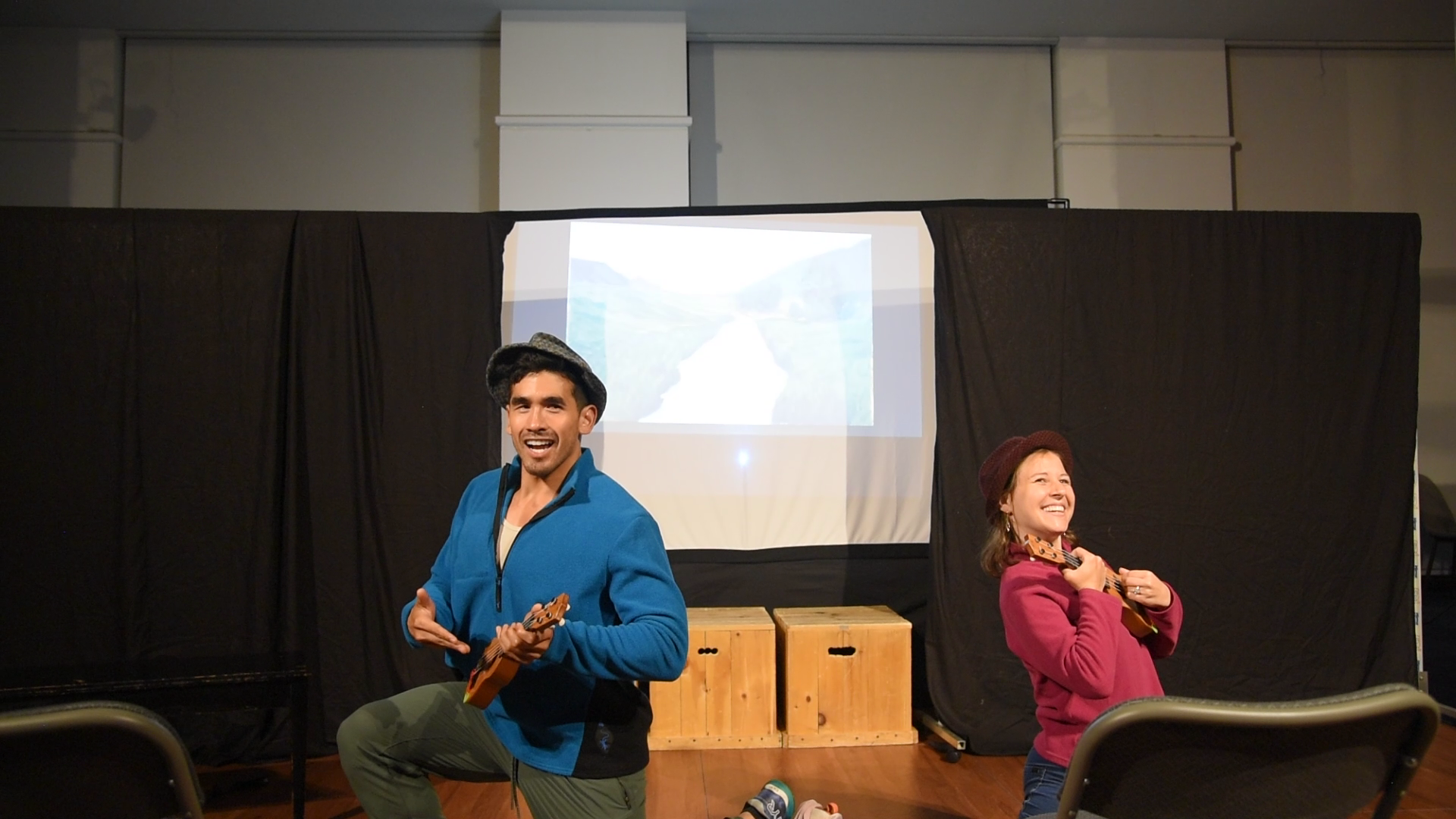
Grittly - Angela Scorese
Frantz - Mark Martinez
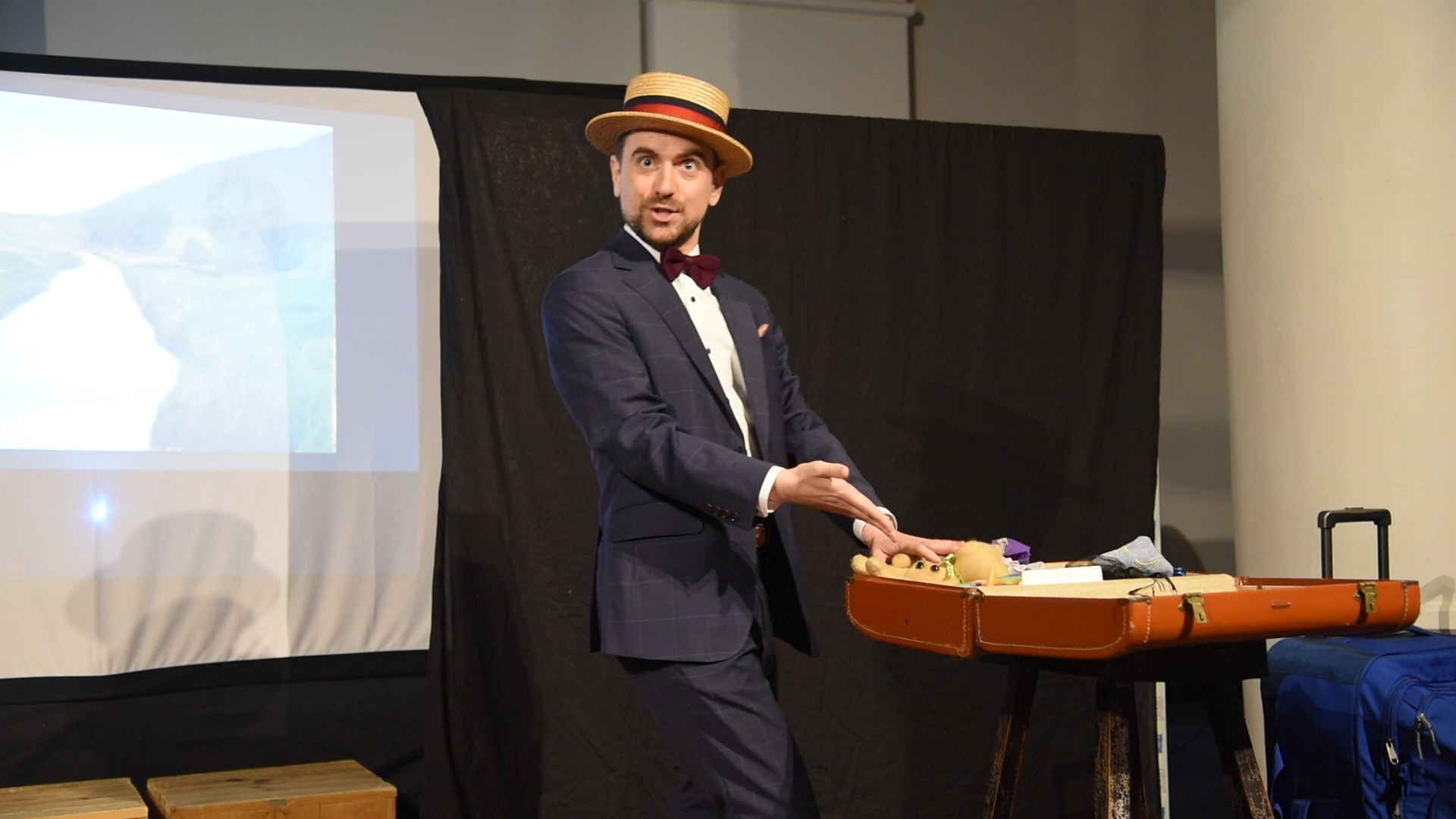
Berthold - Colin Saffley
Director - Natan Zamansky
Music Director - Eric Peterson
Video
Bastien und Bastienne
Le 66
Who’s Who

-
Victor Jaquez is a Dominican Bass working as a Certified Public Accountant by Day & Opera Singer by night! Previous Credits Include: "Sarastro" with Amore Opera, "Raimondo" with the NYC Orchestra Project, & "Zuniga" with Regina Opera. Victor currently studies privately with Terence Goff and is thrilled to taking part in B&B with Opera Piccionia!
-
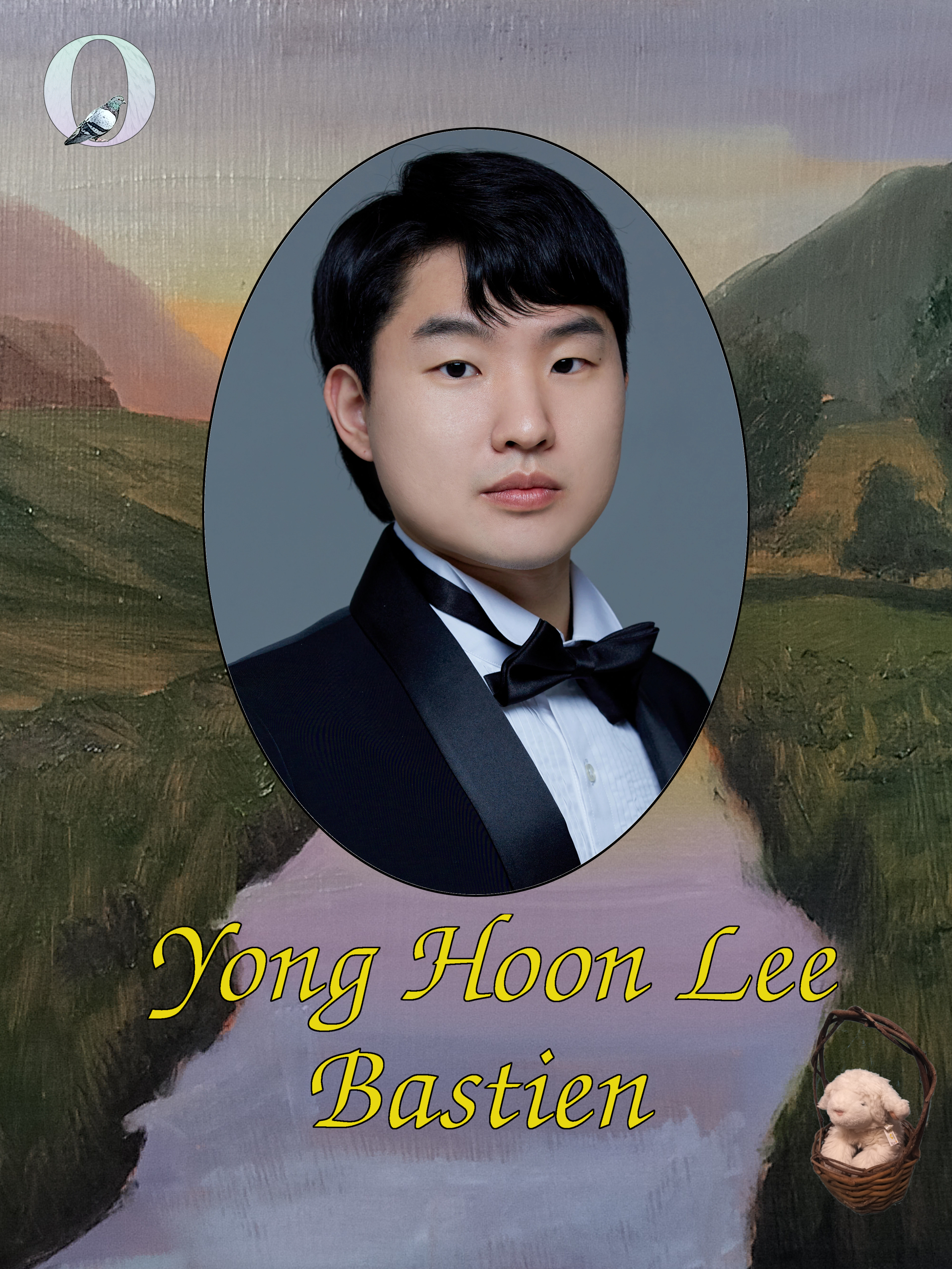
Yong Hoon Lee is a tenor from Seoul, South Korea. He was awarded Second prize from 3rd International Online Music Competition Colibri Arts and Music Competition. Recent engagements include his role debut in New York as Monostatos in The Magic Flute at the Connelly Thrater with Amore Opera, Chorus in Turandot with Mannes Opera at Alice Tully Hall, and Ferrando in Cosi fan tutte with Opera not-so-seria. Upcoming, he will be participating in Queens Summer Vocal Institute singing Tito in La Clemenza di Tito. He graduated from Chung-ang university in 2024. He is pursuing his Master's degree in voice at the Mannes School of Music with Arthur Levy and Cristina Stanescu.
-
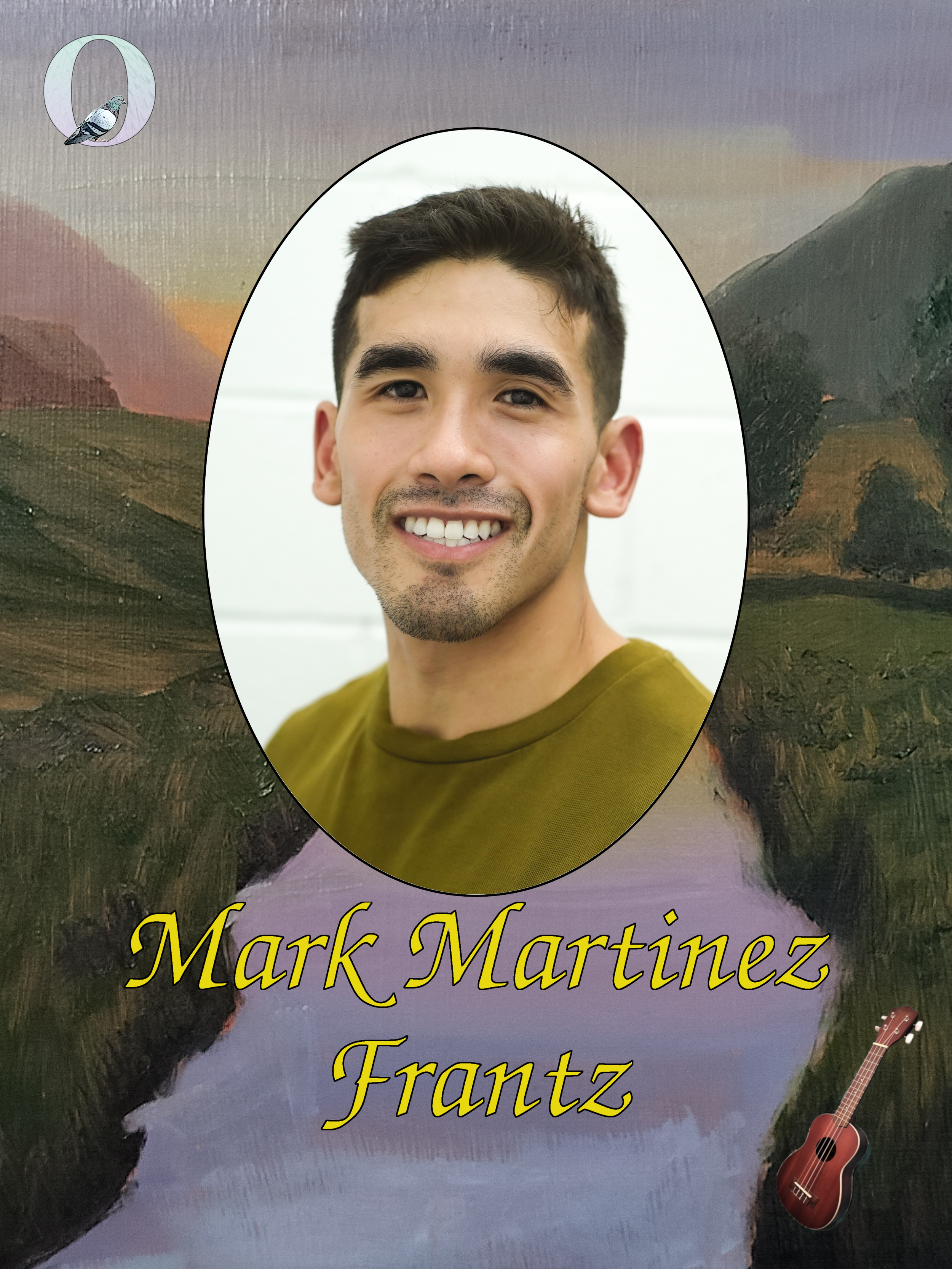
Mark Martinez is an actively performing tenor based in New York City.
He has sung principal roles with a variety of regional companies, including Don Ottavio (Don Giovanni) with Bronx Opera, Nadir (Pearl Fishers) with Amore Opera, Remendado (Carmen) with Lighthouse Opera. Additional credits include Strephon in Iolanthe (Bronx Opera), Bastien in Bastien und Bastienne (Garden State Opera), Ferrando in Così fan tutte (Capital Opera Harrisburg), Alfred in Die Fledermaus (Ridgewood G&S Opera), Acis in Acis and Galatea (Eccentric Theater Company), and Frederic in The Pirates of Penzance and Tenor soloist in Handel’s Messiah (Eurasian Music Festival). His upcoming performances include a role debut of Vaudemont in Tchaikovsky's Iolanta as well as several recital performances.
Beyond the stage, Mark is deeply involved in New York’s classical music community. He is the Co-Chair of the Program Committee of the Harvard Club of NYC, where he has organized events such as an interview with Opera Philadelphia’s Managing Director, Anthony Roth Costanzo, and a showcase concerts of rare Stradivarius string instruments.
He is also a contributing writer and critic for Oberon’s Grove, a long standing performing arts publication.
-
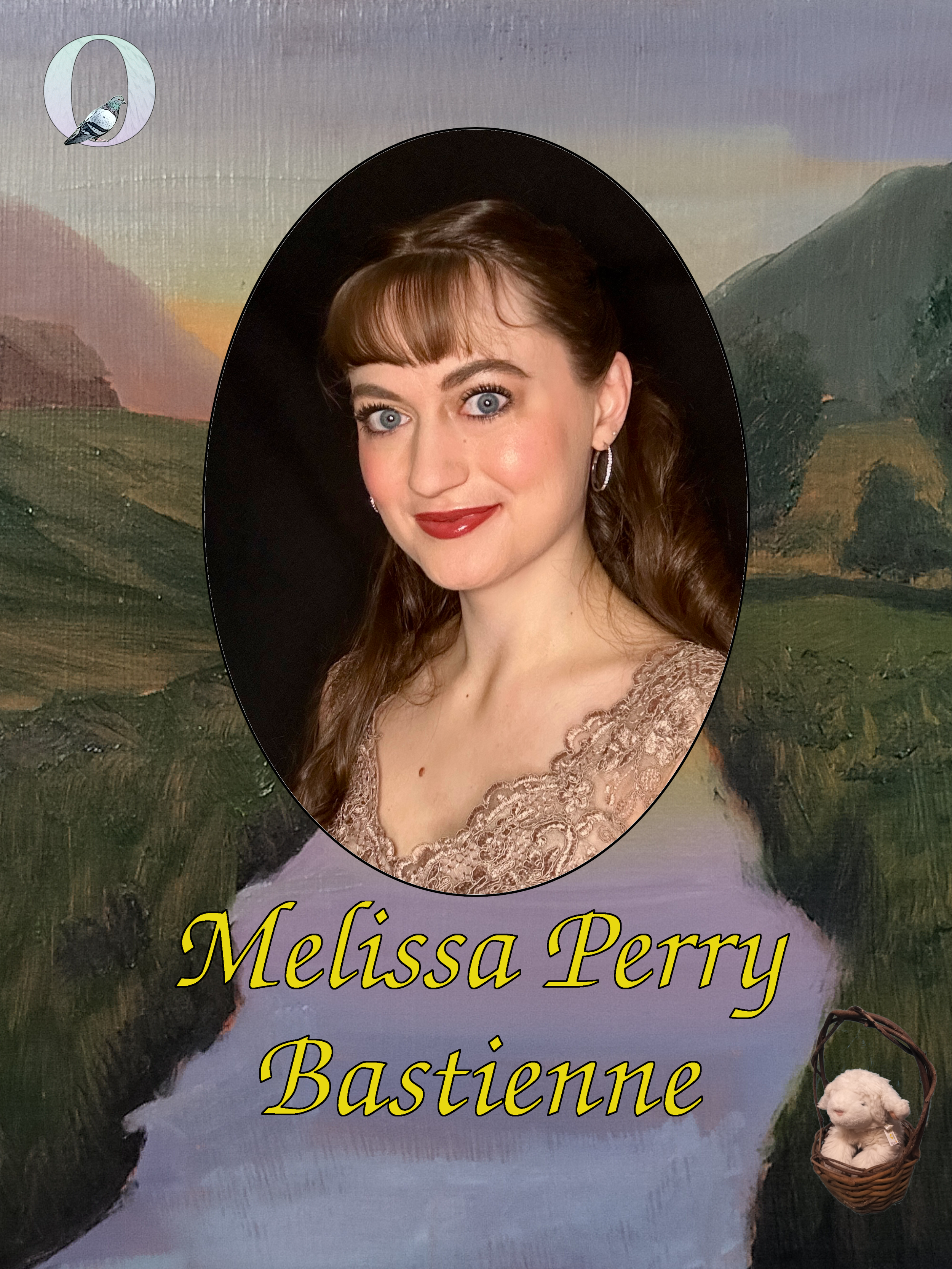
Melissa Perry is a New York City based operatic soprano and recitalist. Originally from San Diego, she was a dedicated ballet dancer throughout childhood, and began studying classical music halfway through her first year of college, later earning a BA in Music Performance from Seattle Pacific University. During her undergraduate years she was a two time 1st place winner in the Puget Sound NATS student adjudication and a concerto competition finalist. This season Melissa performs in La Bohème (chorus), Suor Angelica (1st Cercatrice, nun’s chorus) at Regina Opera in NYC, and Bastien und Bastien (Bastienne) at Opera Picciona, also in NYC. Past roles include “Queen of the Night” from Mozart’s Die Zauberflӧte, “Olympia” from Offenbach’s Les Contes d’Hoffman, and "Mademoiselle Silberklang” from Mozart’s Der Schauspieldirektor. A new music enthusiast, she has recently begun a recording collaboration with composer Sophia Pavlenko. Melissa is also a soloist at Trinity LES Lutheran Parish in New York City, performing oratorio and cantata selections with chamber orchestra.
-
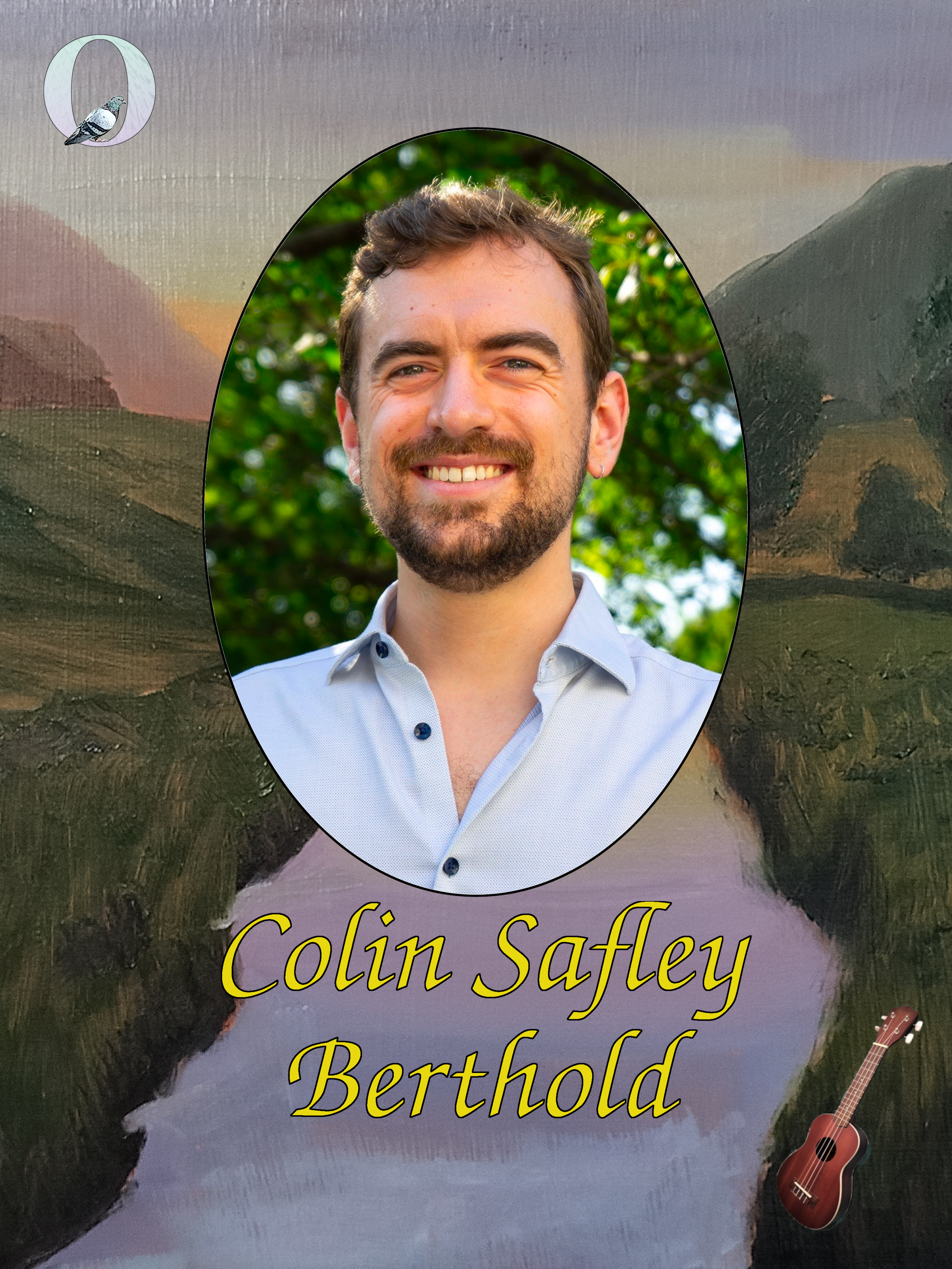
Colin Safley is a baritone from Kansas City, Missouri. He enjoys performing a variety of opera, musical theatre, operetta, and sacred music. His studies brought him to DePaul University, in Chicago, then to the Mannes School of Music, in New York City. Colin’s recent credits include performing the title role in Don Giovanni (Amore Opera), Owen Hart in Dead Man Walking (Miami Music Festival), Prestr-Sùg (f.k.a. Pish-Tush) in The Mikado (Utopia Opera), and Don Alfonso in Così fan Tutte (opera not-so-seria). When he is not singing, Colin is working as an expert in styling menswear.

-
Angela Scorese is thrilled to be joining Opera Picciona again (now that we have a proper name) as Grittly, after playing 2nd Woman/First Witch in OP’s inaugural production of Dido and Aeneas. She was most recently seen as Zorah in Blue Hill Troupe’s production of Ruddigore, marking Stop #9 on her grand Gilbert & Sullivan tour that includes Phyllis in Iolanthe, the title role in Princess Ida, and Yum-Yum in The Mikado with Ridgewood Gilbert & Sullivan, along with Hebe in Utopia Opera’s H.M.S. Pinafore. Opera credits include Adele in Die Fledermaus, Oscar in Un Ballo in Maschera, Blonde in Die Entführung aus dem Serail, Servilia in La Clemenza di Tito, and Sophie in Werther with New York Opera Forum. She previously broke opera’s digital barrier (and Zoom’s volume limits) during the pandemic as Queen of the Night in Spooky Goose Opera’s virtual Die Zauberflöte, and returned to the work in its English translation this past January as 2nd Spirit in Amore Opera’s production. Much love and endless thanks to her husband Ryan for putting up with her muttering “le son argentin-tin-tin-tin/A sa chasonette” 1000 times on end until she got the French tongue twister down.

-
Molly is ecstatic to be joining Opera Picciona for their inaugural production of Bastien und Bastienne. Molly made her stage debut as Phyllis’ lamb in Iolanthe, and reprised the role in Opera Picciona’s landmark recording of Phyllis’ recently rediscovered lost aria, which can now be seen on EweTube. She hopes that this will be the beginning of a long and prolific stage career. Dream roles include Lucia di Lambermoor, Gianni Sheepy, Semi-Ram-Ide, Jezibaabaa in Rusalka, and Third Yeomen in The Yeomen of the Guard.
-
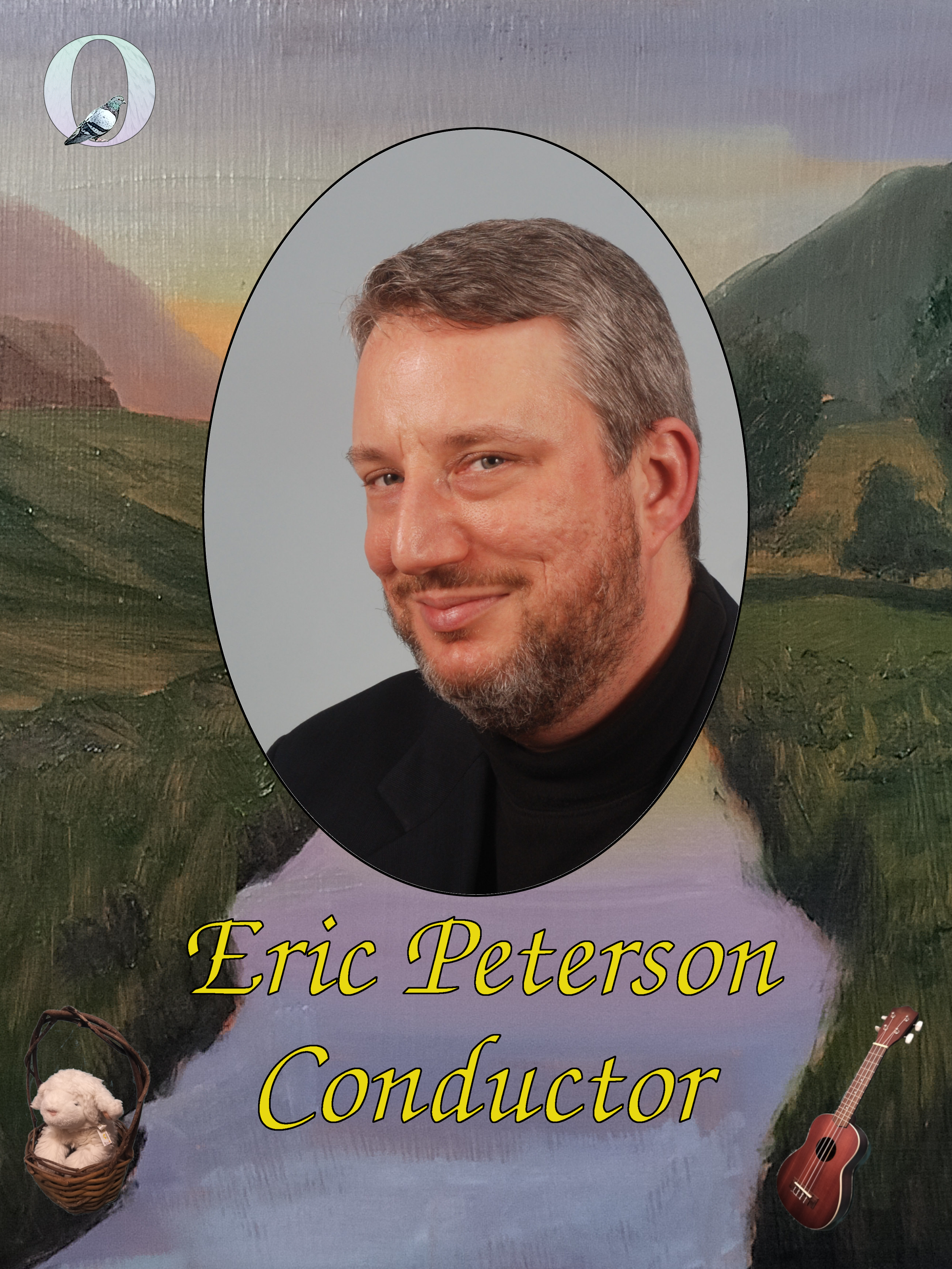
Eric Peterson is a graduate of William & Mary and Peabody Conservatory; a French horn major who discovered singing and conducting and got distracted. He has worked for decades with LGBT+ community music groups, helping to found the Philadelphia Freedom Band, conducting the Big Apple Corps concert band, and performing with the Queer Urban Orchestra. As a theater conductor, he has worked with Stamford’s Troupers Light Opera (Mikado, Gondoliers, Fledermaus) and NYC’s Blue Hill Troupe (Mame, Forum, Night Music, concerts). He is a regular attendee at the International Gilbert & Sullivan Festival in northern England and has conducted five productions (Sorcerer, Pirates, Patience, Ruddigore, Pinafore) with Savoynet Performing Group, winning the Best Musical Director award for their 2018 festival-winning production of Patience. He is delighted to be working with Natan, Manya and these amazing singers on ‘BB66’!
-
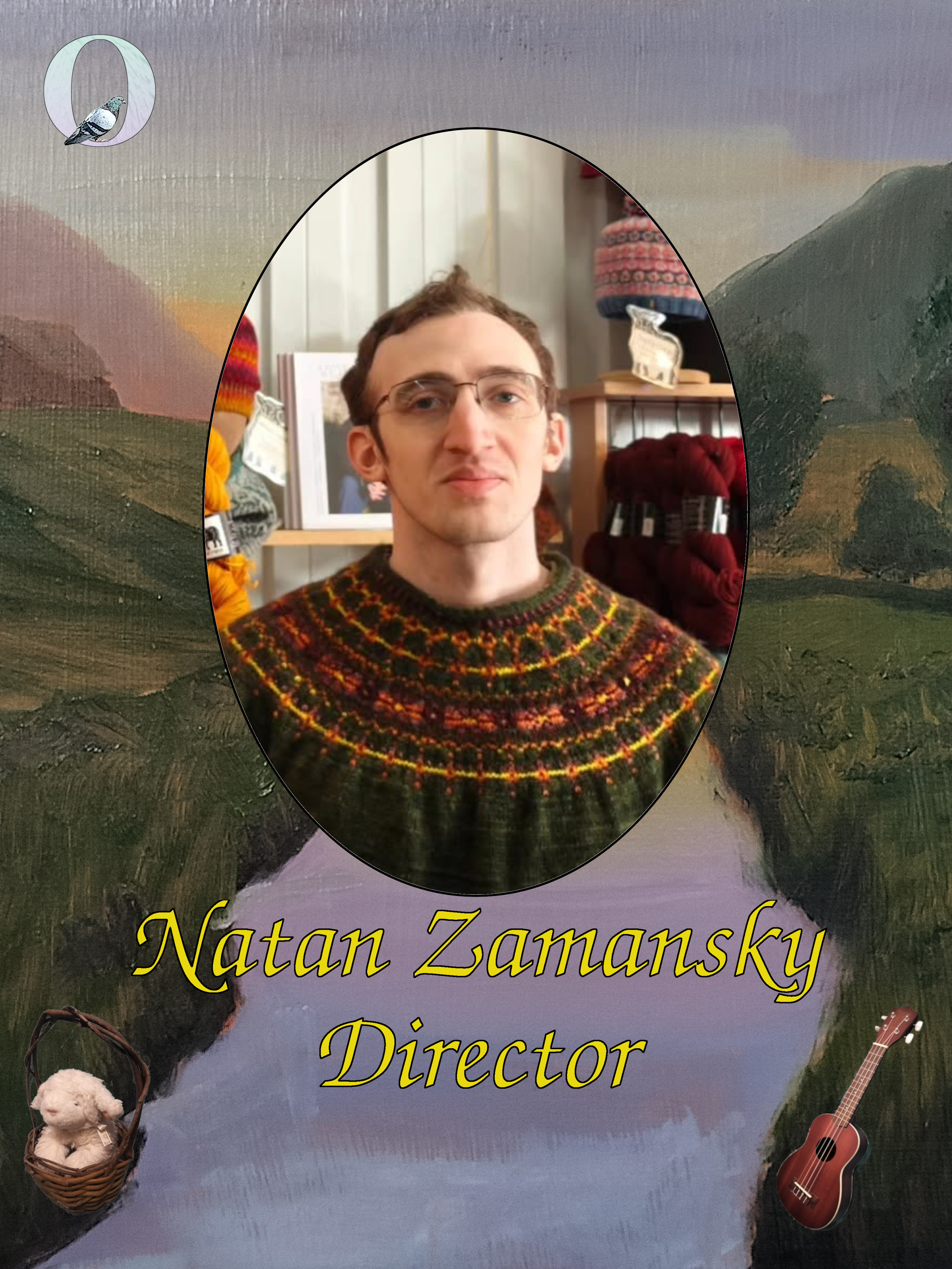
Natan Zamansky is a co-founder of Opera Picciona, and directed their pre-inaugural production of Dido and Aeneas in January 2026. Next up, Ages Ago!
Director’s Note
Bastien und Bastienne is an early opera by Mozart, written when the composer was twelve years old. The 45-minute, three-character opera’s deceptive simplicity is not, however, a product of the composer’s youth. In fact, Mozart had already composed two earlier operas at the age of eleven – Die Schuldigkeit des ersten Gebots [1]and Apollo et Hyacinthus – which sport longer and more elaborate da capo arias, the likes of which formed the basis of so much opera of the early-to-mid-18th century. After those two operas, the sudden move to the pastoral simplicity of Bastien und Bastienne seems almost modern, perhaps showing the influence of Gluck [2], whose reforms would continue to influence Mozart throughout his operatic career. Even in this early work, you can hear the beginnings of Entführung and Zauberflöte.
Most of the arias in Bastien und Bastienne are quite short, some barely more than fragments of melody that punctuate scenes of dialogue. The transition between speaking and singing is one of the most challenging moments to negotiate in any work of musical theater, but Bastien und Bastienne seems to revel in the constant whiplash, the jumps from one level of communication to another, and the abrupt changes in attitude. They are humorous, of course, but they also, in their way, allow the characters to feel more real than their usual prototypes in the genre.
Bastien und Bastienne is almost a beat-for-beat parody of the 1752 opera Le devin du village, by Jean-Jacques Rousseau [3], which tells the story of Colin and Colette, who are helped out of their lovers’ spat by the village soothsayer. Unlike Mozart’s parody, Rousseau’s opera is remarkably staid. While Mozart’s sorcerer is given a boisterous entrance, accompanying himself on the bagpipes, and crafts an image for himself that you’re never quite sure if he wants you to take him seriously; Rousseau’s soothsayer is stern and serious throughout. While Bastien and Bastienne can flit through sorrow, lightness, anger, and aloofness, sometimes all in the same aria, Colin and Colette’s emotions seldom rise above a vague pastoral mopiness.
That Mozart gives the characters more range of emotion to play, makes them feel like more fully realized people than the earnest representations of the pastoral archetypes in Rousseau’s model. That Colas is in on the joke, and invites the audience to laugh at the inherent silliness of the premise, also lets the audience feel that they can sympathise with the characters as well as be amused by them. Colas pokes gentle fun at Bastien and Bastienne’s big feelings, but, crucially, is never mean-spirited toward them. The resultant effect is one of pleasant fun and good humor, but with a core real sympathy running through it.
Le 66 is another early opera, Offenbach’s 22nd – okay, “early” relative only to the fact that he wrote about a hundred of them in total. Premiering in 1856, it was the fourteenth operetta Offenbach composed for the Théâtre des Bouffes-Parisiens, which he had founded in 1855 – the man worked fast! Offenbach received a license for the production of one-act comedies, with the condition that they must have fewer than five characters. In 1858, the licensing laws were changed, enabling Offenbach to at last produce large-scale, full-length operettas, which he did, beginning with the massively successful Orphée aux enfers. It is from the subsequent period that the composer’s most enduringly popular operas date, including La belle Hélène (1864), La vie parisienne (1866), and La Grande-duchesse de Gérolstein (1867).
By the time Offenbach had premiered a baker’s dozen one-acts in his new theater in a little over a year, he had solidly established a “house style.” Offenbach was uninterested in the increasingly serious and elaborate plots that had come to dominate the genre of opéra comique [4]. Many creators of comic opera, including Mozart and Rossini before Offenbach, and Gilbert and Sullivan after, have sought to elevate the form by building their comedies around plots with serious themes, and characters with depth and nuance. Offenbach felt that this state of things had gone too far, and wanted to write uncomplicated, uncritical, unadulterated [5] fun.
This, I’m sure to the immense surprise of all involved, turned out to be a big hit with audiences.
The two operas we’ve selected to perform this evening are stylistically quite different, but share a number of common elements. Both operas deal with characters at a nexus between rural and urban life. The tenor is tempted away from his rustic roots by the promise of riches in the city. The soprano holds fast to her pastoral ideal. The bass is an outsider, with a foot in both worlds, who facilitates the plot, and teaches a lesson. Both works present essentially the same scenario, but treat it quite differently. Bastien und Bastienne is concerned with atmosphere and character, while Le 66 is more plot and humor-driven. It also tickled me that Bastien und Bastienne is a German singspiel in which the characters are apparently French, while Le 66 is a French operette, in which the characters are Austrian, and frequently drop German expressions into their conversation. I hope that the symmetries of these two works, accented by their differences, will make for an interesting and coherent evening of opera.
It is unknown if Bastien und Bastienne was ever performed in Mozart’s lifetime. Its first historically verified performance was in 1890. Le 66, like many of Offenbach’s one-acts, was popular at the time, but became overshadowed by his later full-length works. Which is something of a shame, because this catalogue of one-act, small-cast, light operas, is a valuable resource for a small opera company. An evening of one-acts is malleable to the needs and the strengths of the company, based on the singers available, the length of the evening desired to fill, and the artistic inclinations of the group.
Footnotes
[1] Labeled a “sacred drama” rather than opera, if we’re being pedantic.
[2] Orfeo ed Euridice had premiered just six years previously.
[3] Yes, the Social Contract guy.
[4] Despite the use of the word “comique,” the genre of opéra comique has little to do with comedy. I have in the past joked that in 19th-century French opera, “grand opéra” refers to any opera in five acts with a ballet in the third, “opérette” refers to any opera in one or two acts that’s funny, and “opéra comique” refers to literally anything else.
[5] Although in many of the operettas, not without adultery.
Rehearsal Clips